Tuscan Light
This morning the power is out.
No hum of air-conditioning. No ceiling fans. No internet connection. No electronic beeps from the coffee maker. The house is quiet in a way that feels almost foreign.
Thankfully a neighbor appears at the door with hot water so I can make coffee in the French press. In a small village, someone always knows what you need. Especially when it comes to coffee.
Community is one of the reasons I left Los Angeles and moved to a tiny village in upstate New York. I like knowing my neighbors. I like the rhythm of a place where people take care of each other.
It’s something I’ve always noticed in Italy too.
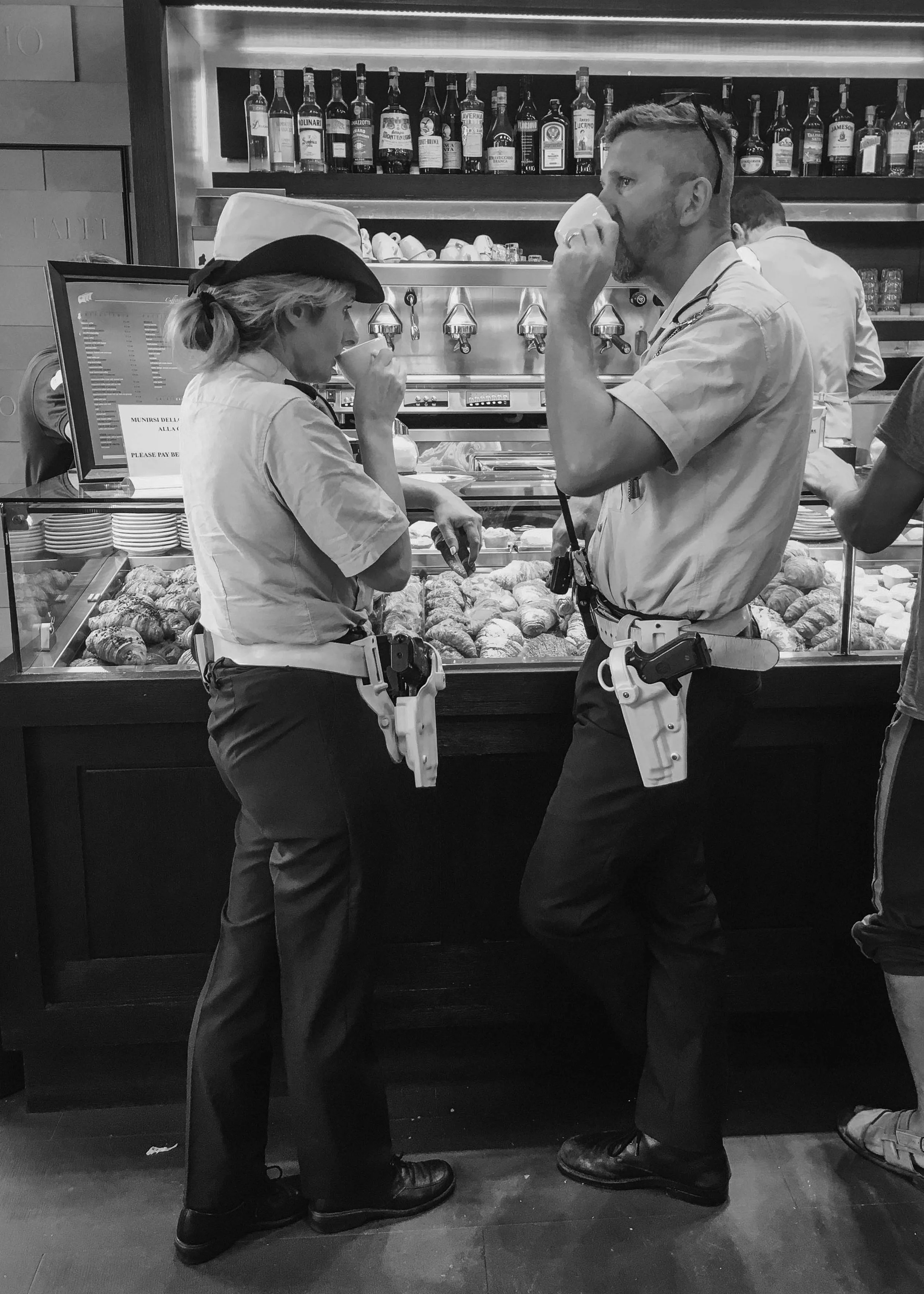
In every town, the barista knows everyone’s name. The butcher gives advice on how to cook a particular cut of meat. Conversations stretch easily across counters and tables.
Lately I’ve been thinking about Italy again while reading Women in Sunlight by Frances Mayes. Mayes is the writer responsible for my earliest fantasies of living abroad after I read Under the Tuscan Sun in the late 1990s. Later, Elizabeth Gilbert’s Eat Pray Love made Italy feel like a place where a life could be reshaped.
But instead of Italy, my reinvention happened in Sharon Springs, New York. I thought the Italian chapter of my life had passed.
Or so I believed.
Returning to Women in Sunlight this week transported me back immediately. Mayes describes characters with affectionate nicknames—Cipollini, “little onion,” or Bellocchi, “beautiful eyes.” Sometimes it’s simply a detail: a mole on a chin with a long wiry whisker.
They feel like people you might encounter in any medieval village.
But what stays with me most are the houses.
“As their door swung open, a splash of light pooled on the waxed bricks.”
—Frances Mayes
With that sentence I am suddenly back in Radda in Chianti, standing outside a stone farmhouse called La Malpensatina.
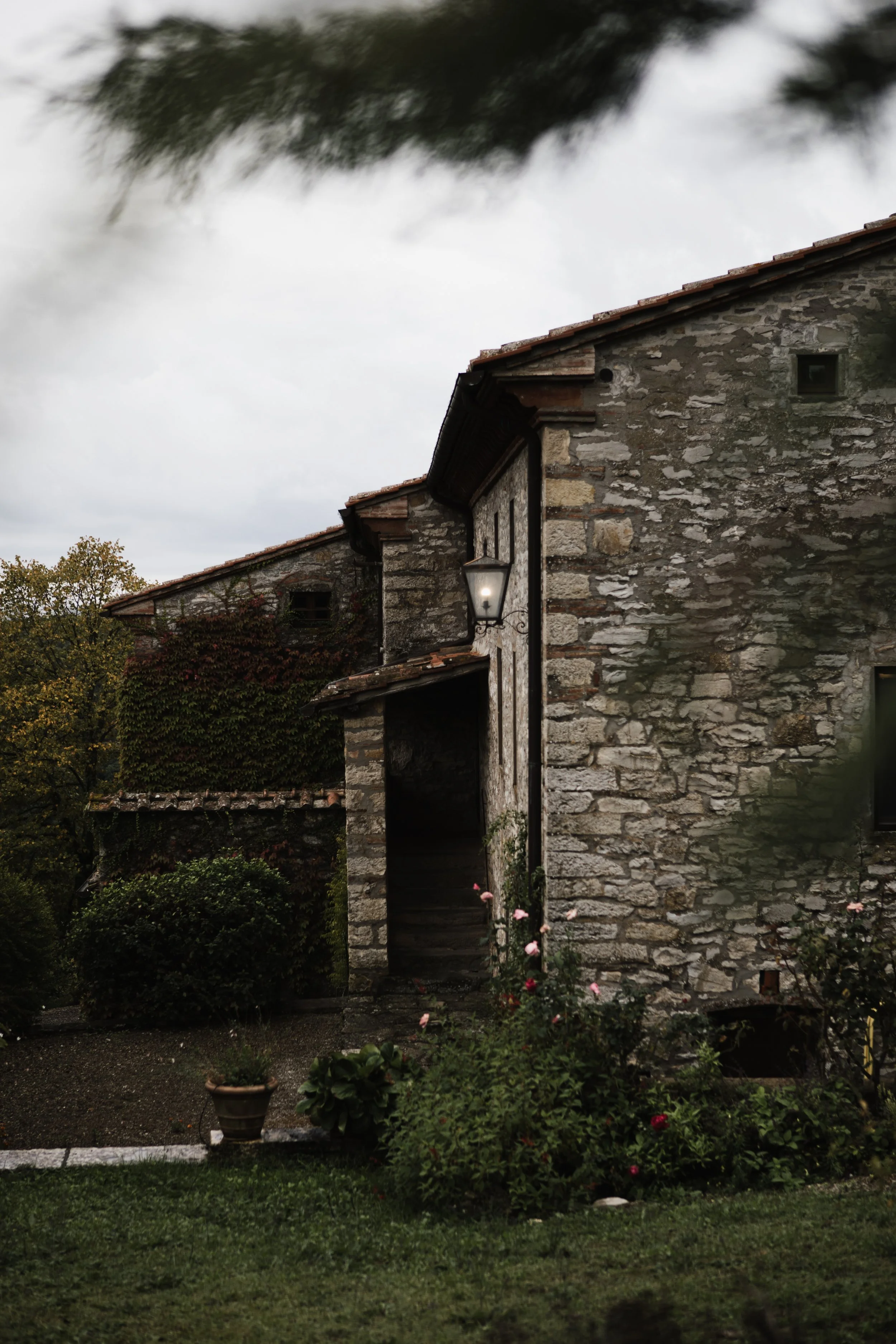
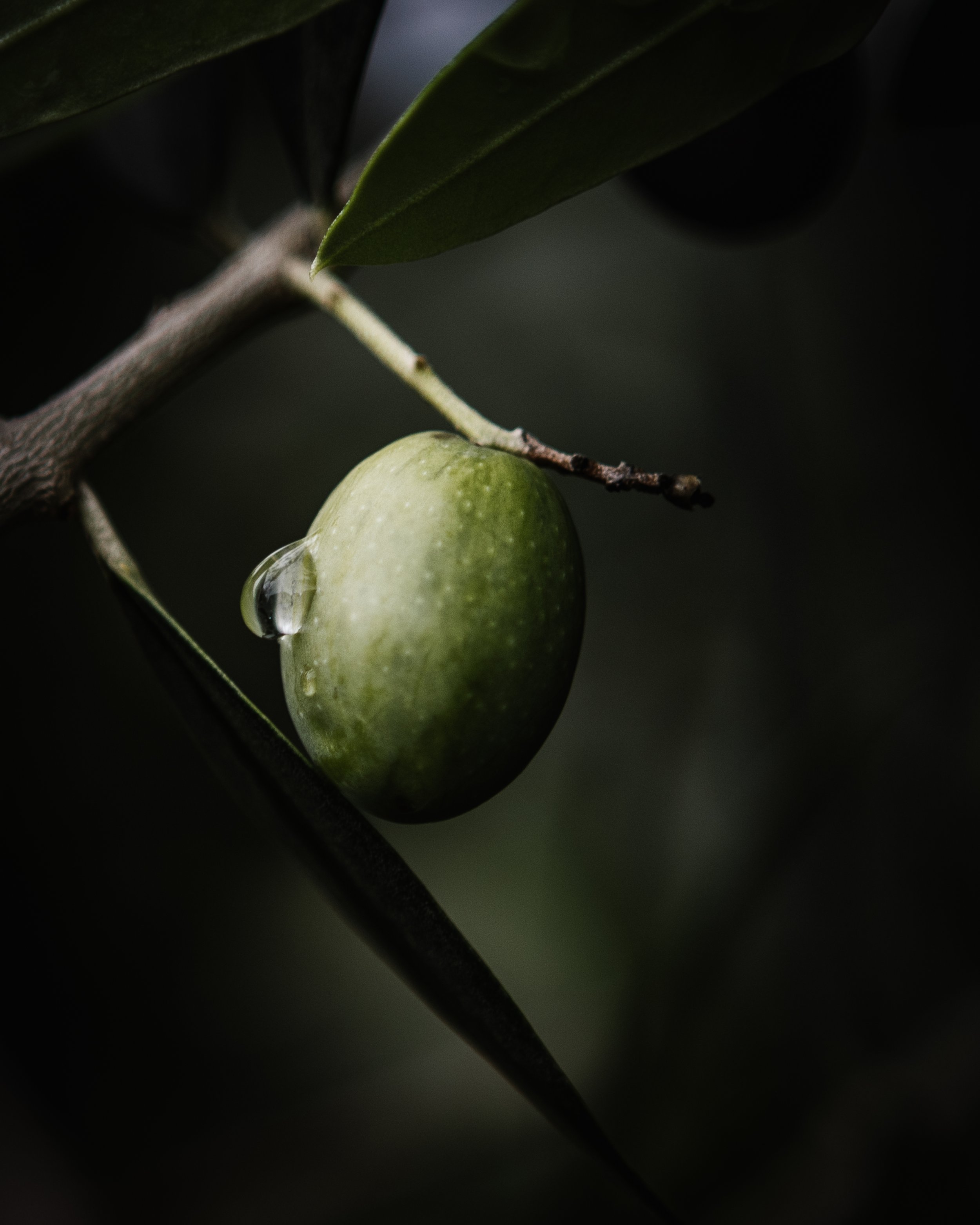
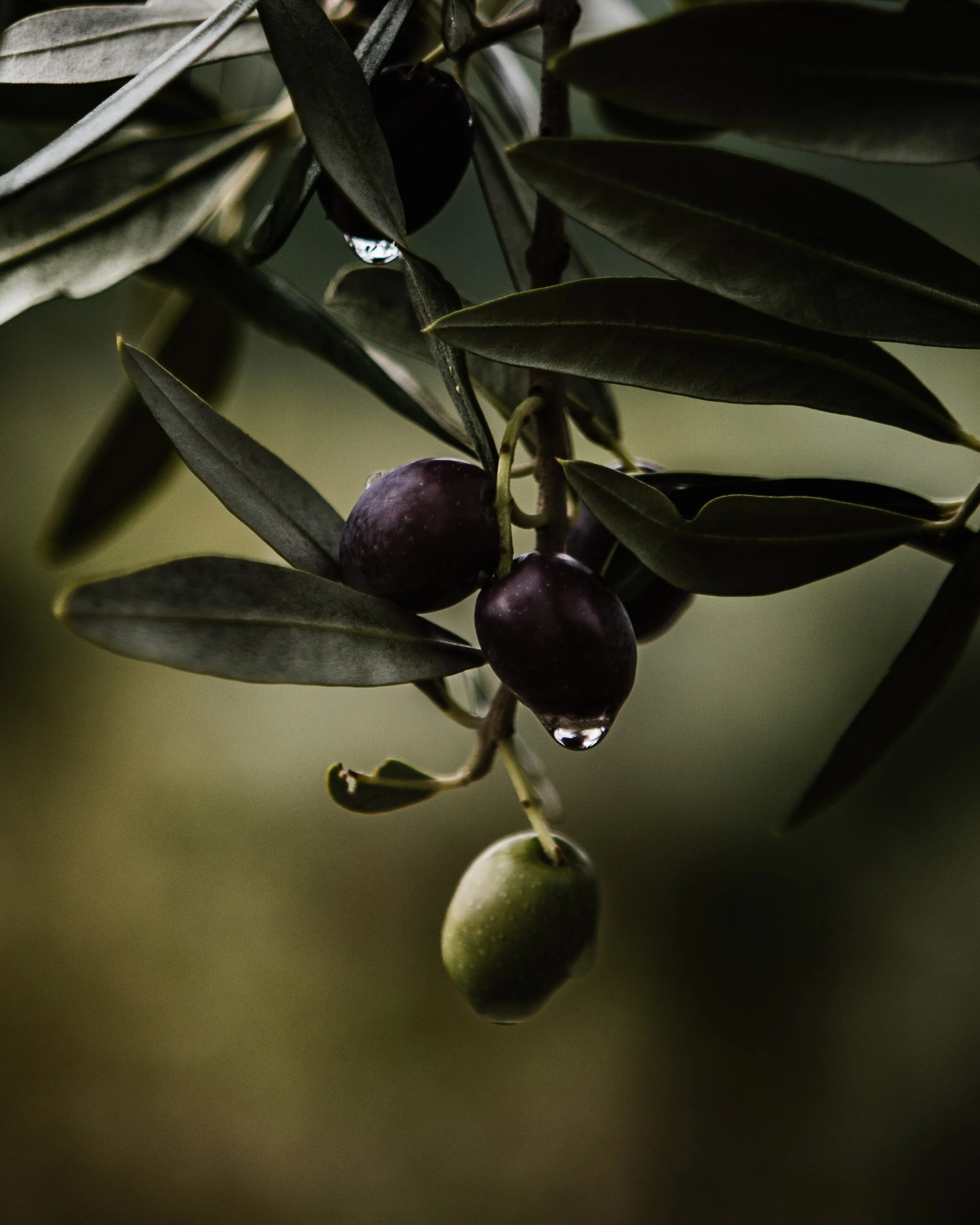
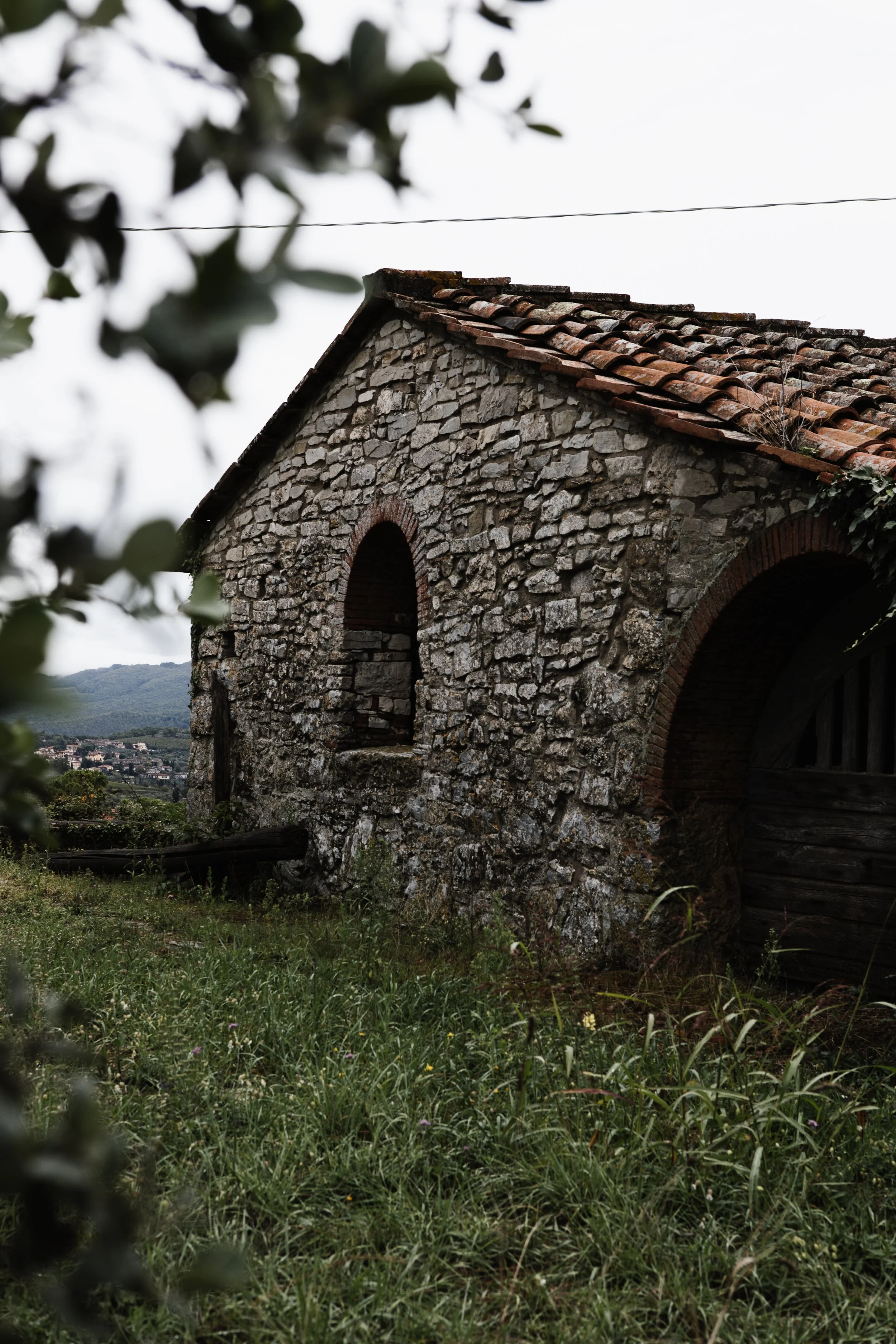
For eighteen summers, beginning in 2004, that farmhouse would welcome us for a week each July.
Our first visit came as a gift to my cousin from her California winemaker employer. His home away from home was a restored Tuscan farmhouse surrounded by rows of Sangiovese vines and a grove of ancient olive trees.
The olive oil was stored in the cool cellar below the house. Thick, green, and peppery, it was so flavorful you could almost drink it.
The directions in the brochure were wonderfully vague:
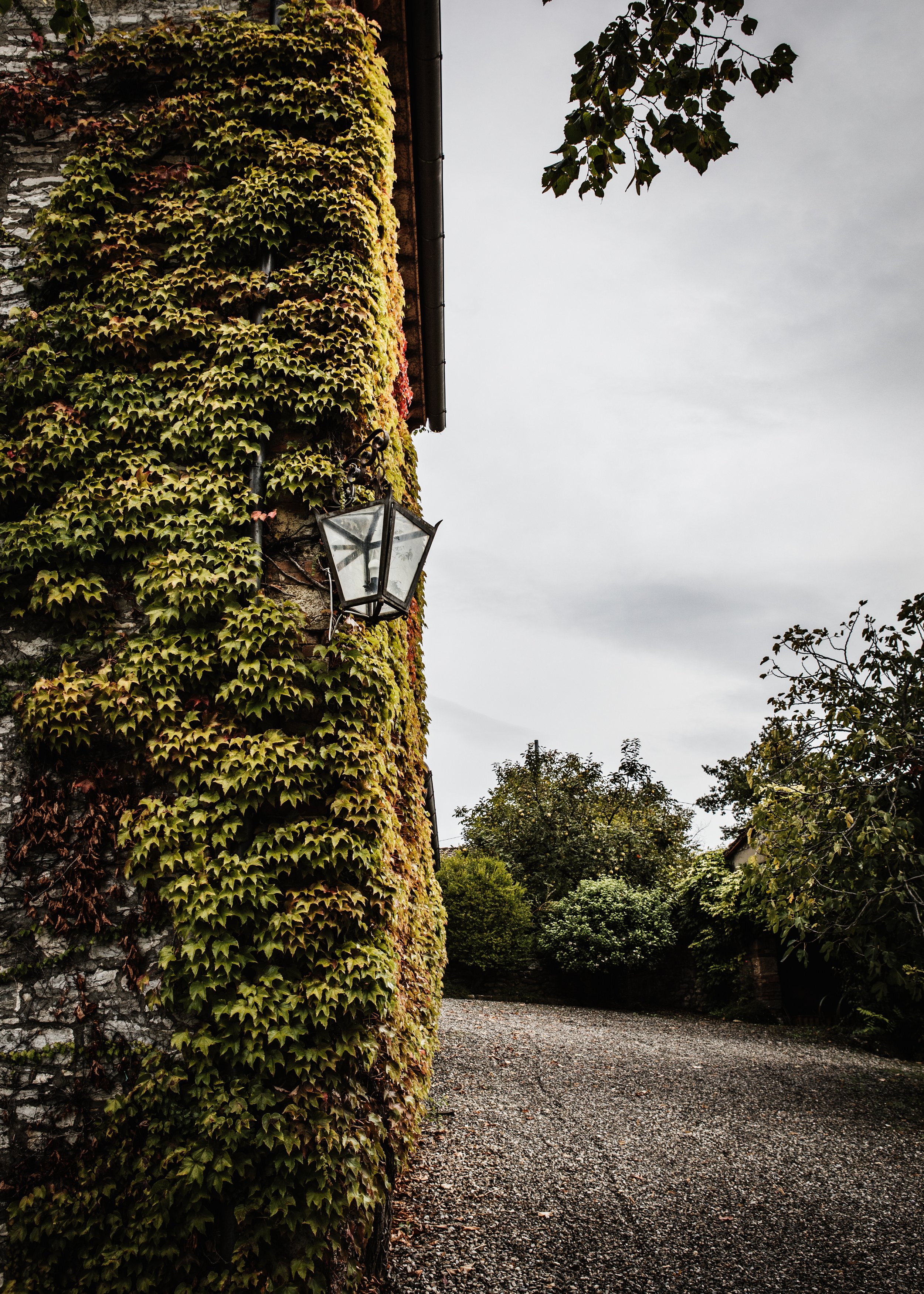
“At approximately 1.5–2 kilometers after Radda there will be a sharp turn to the right. Turn left onto the unpaved road. Proceed to the gravel car park next to the vine-covered stone farmhouse.”
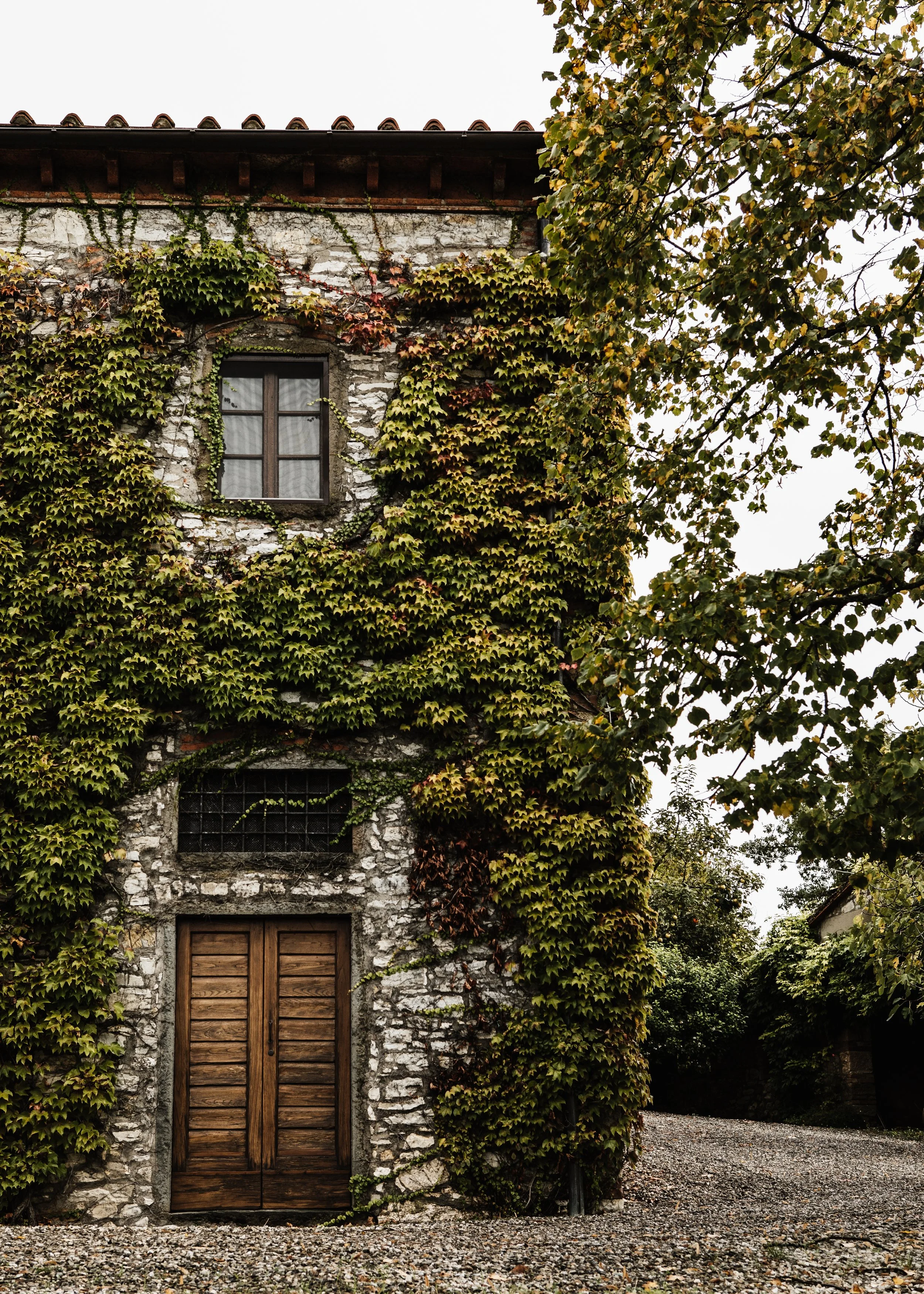
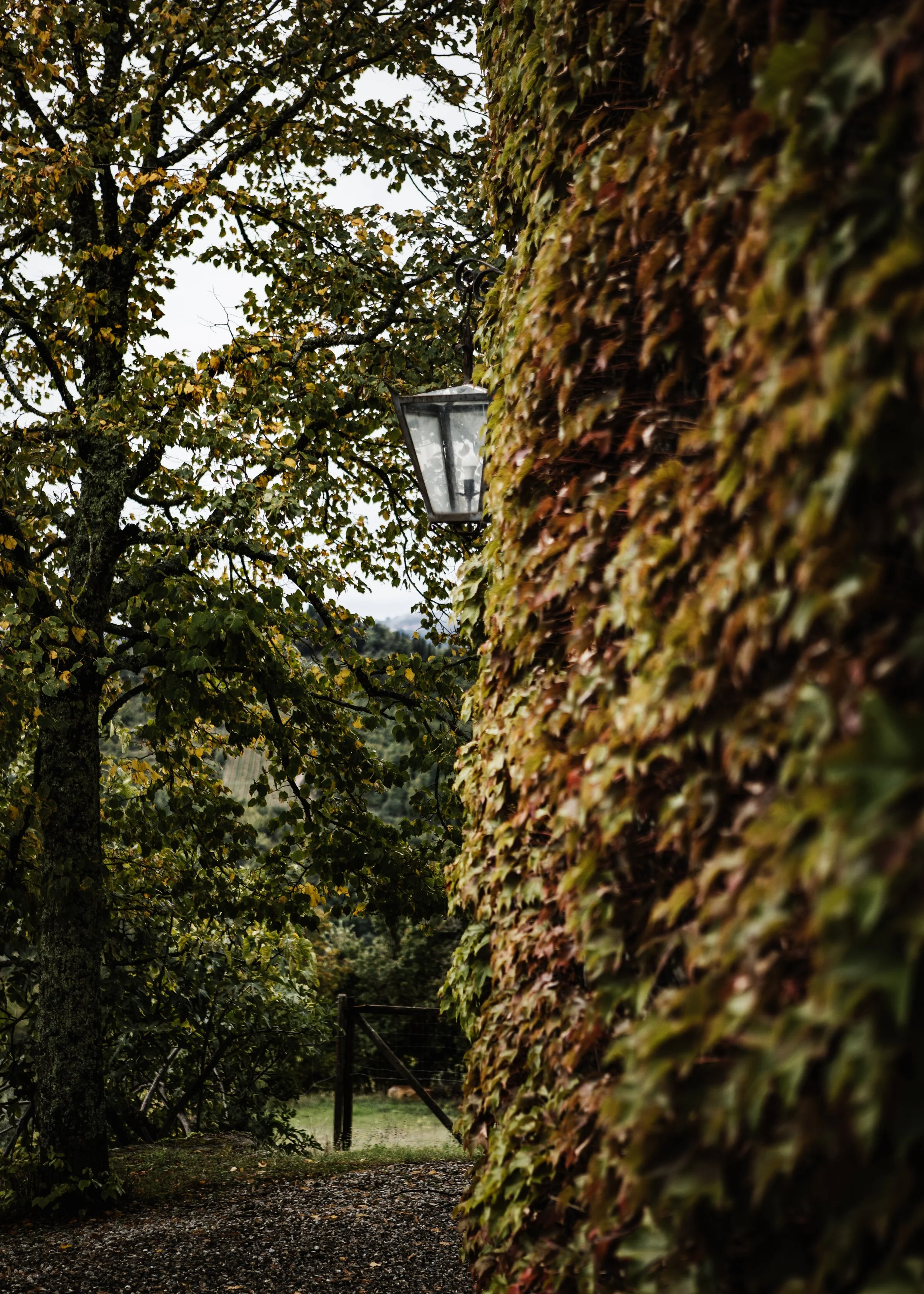
Once we arrived, our vacation began with a search for a large medieval key.
“There’s a large key hanging on two nails on the inside beam of the pizza oven room.”
Eventually we found it.
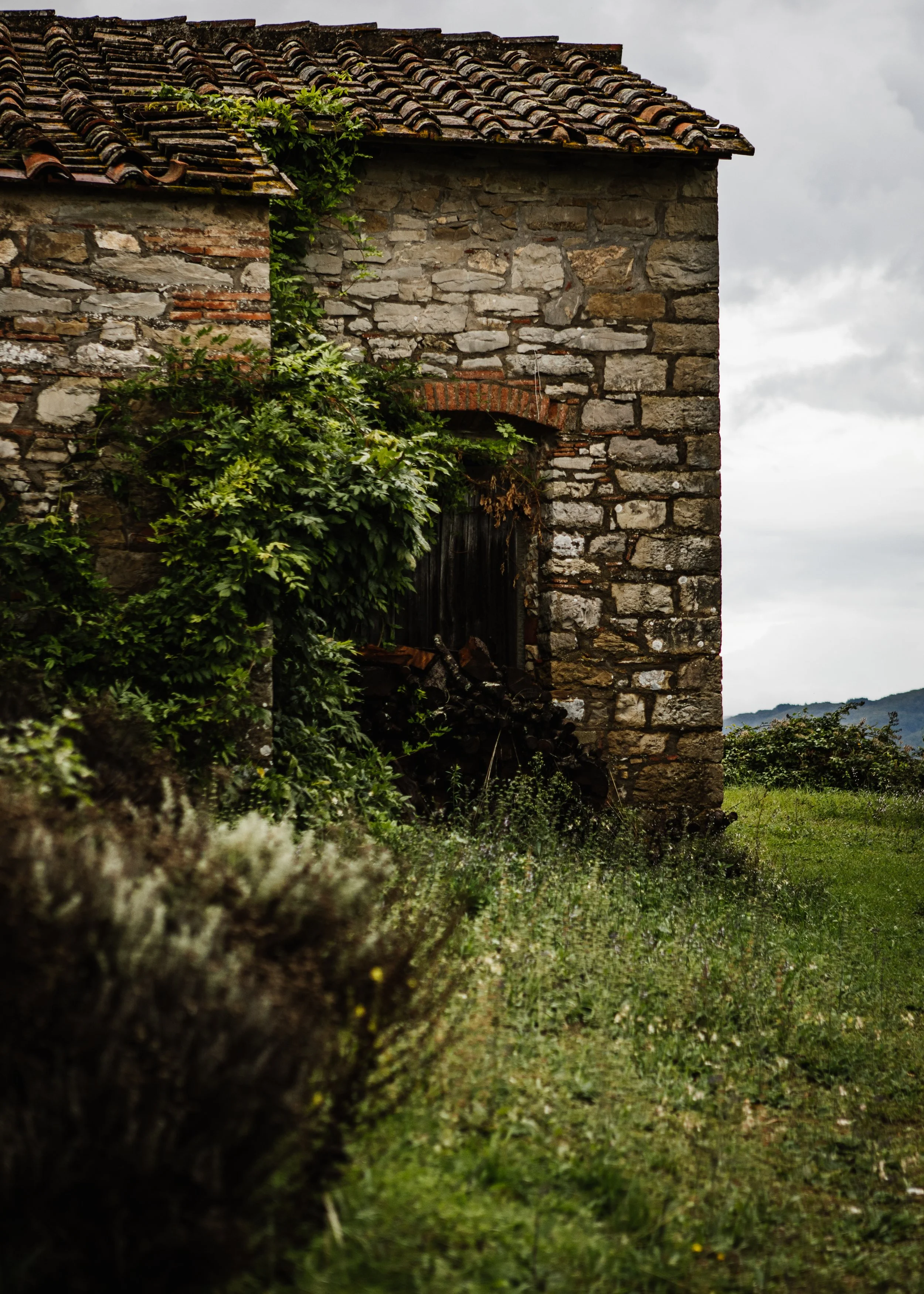
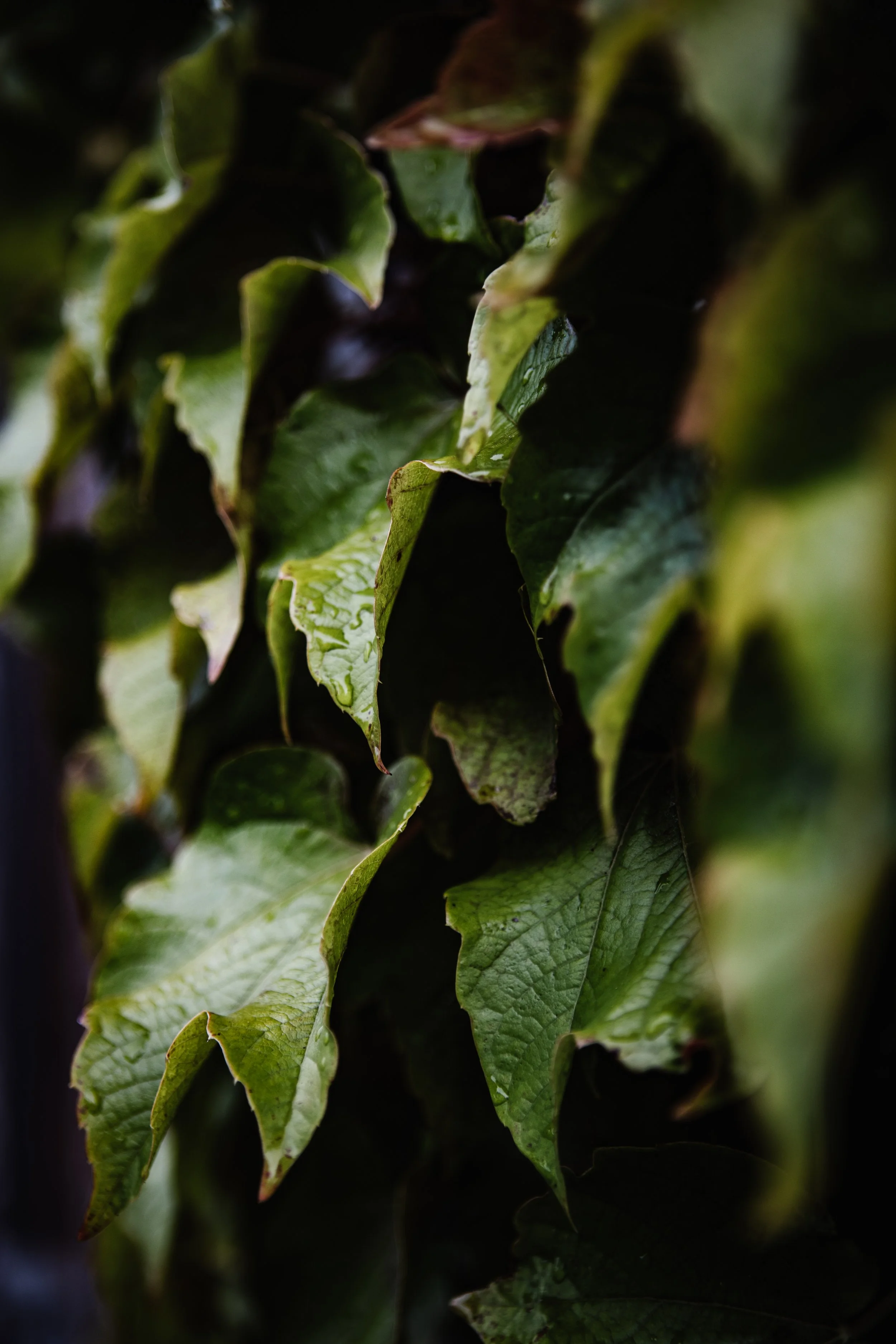
“Every day in Tuscany is a celebration of the senses.”
— Under the Tuscan Sun
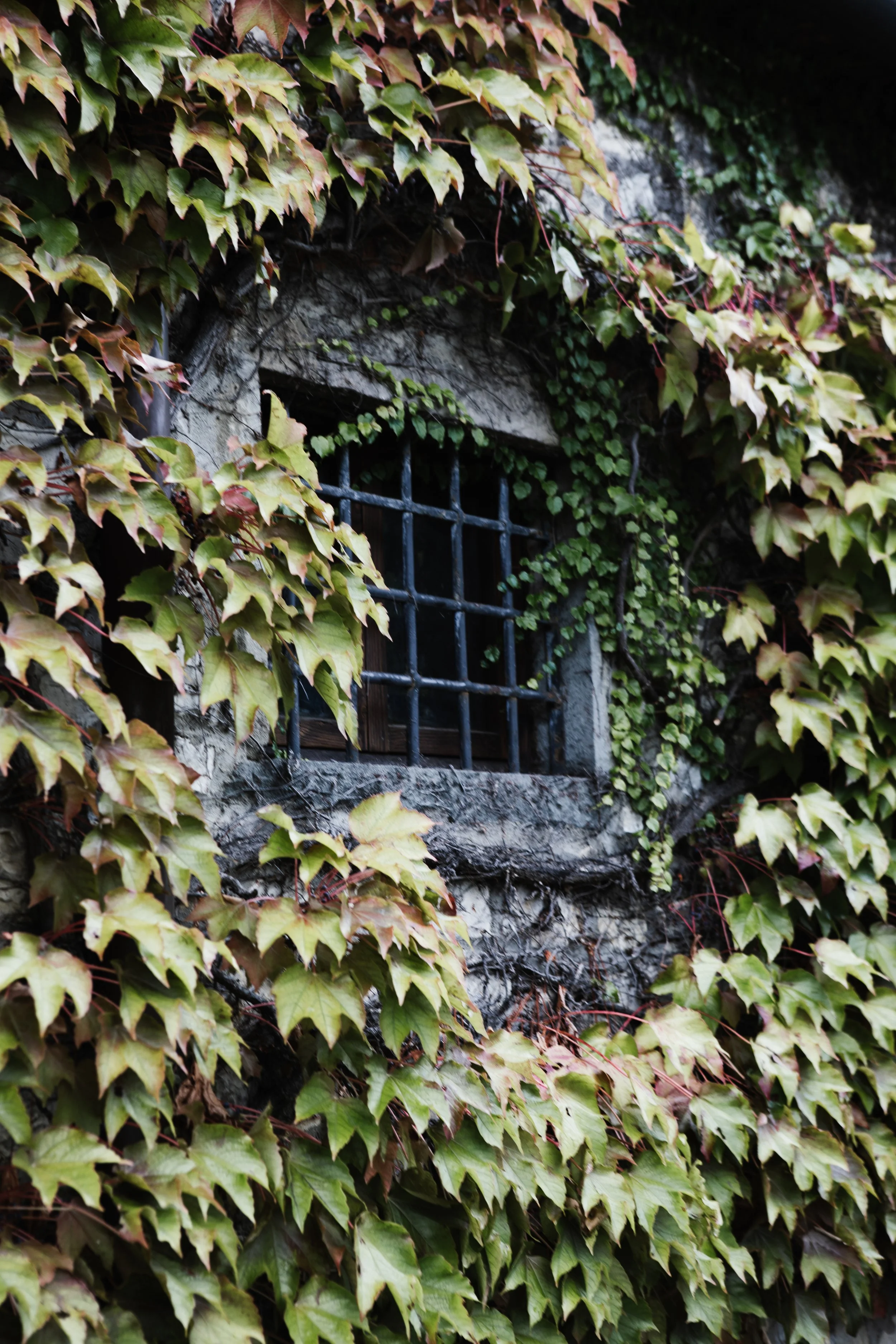
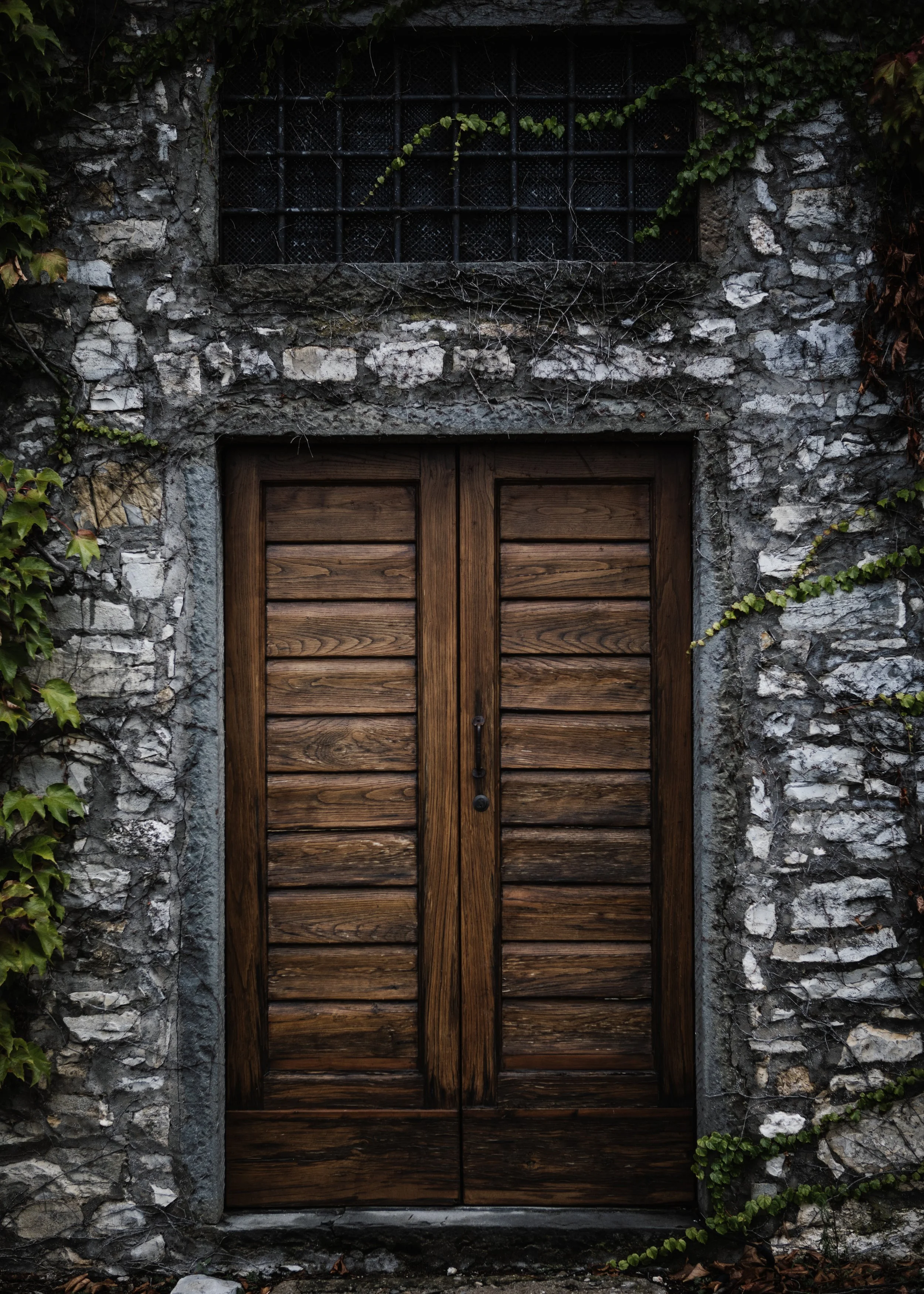
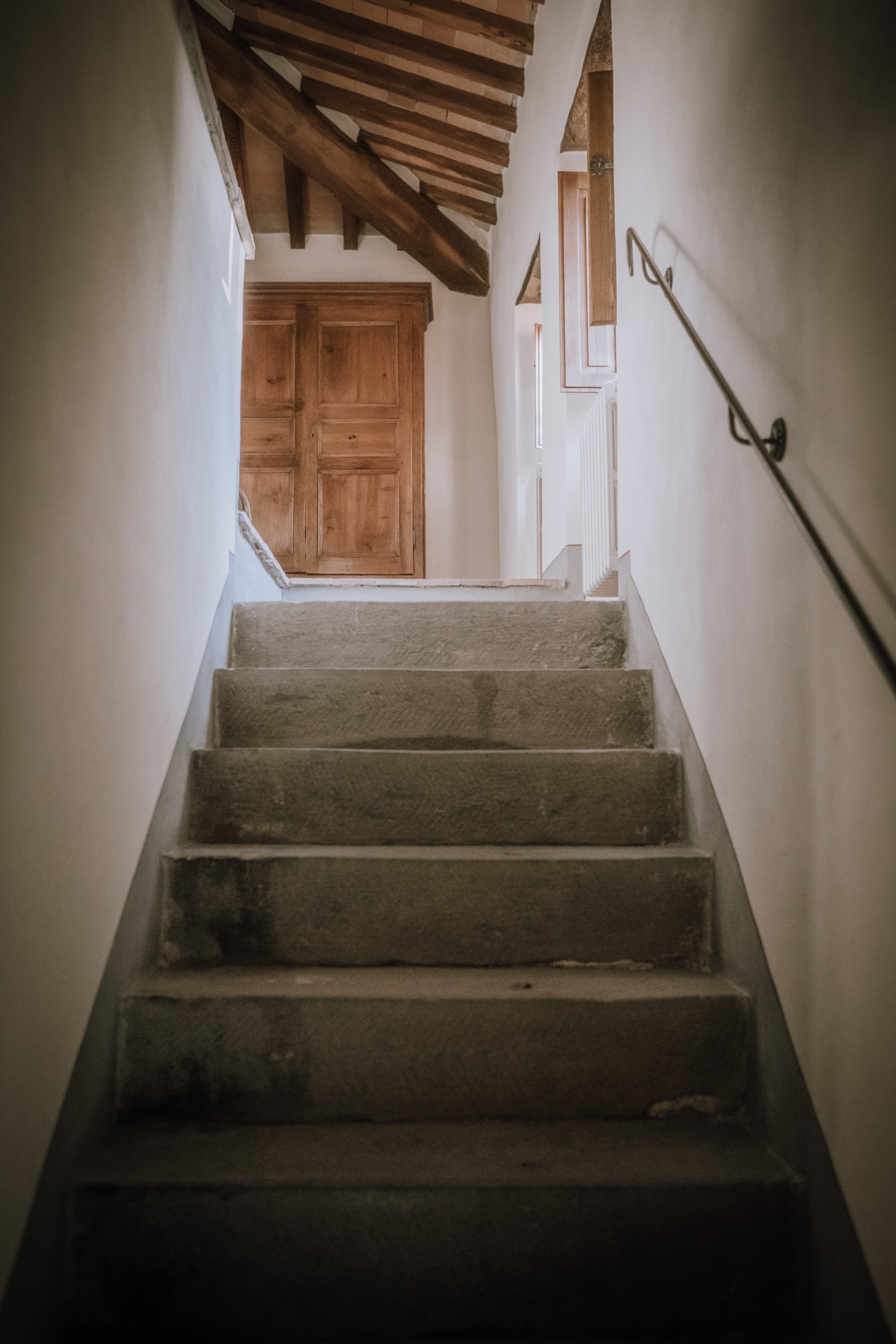
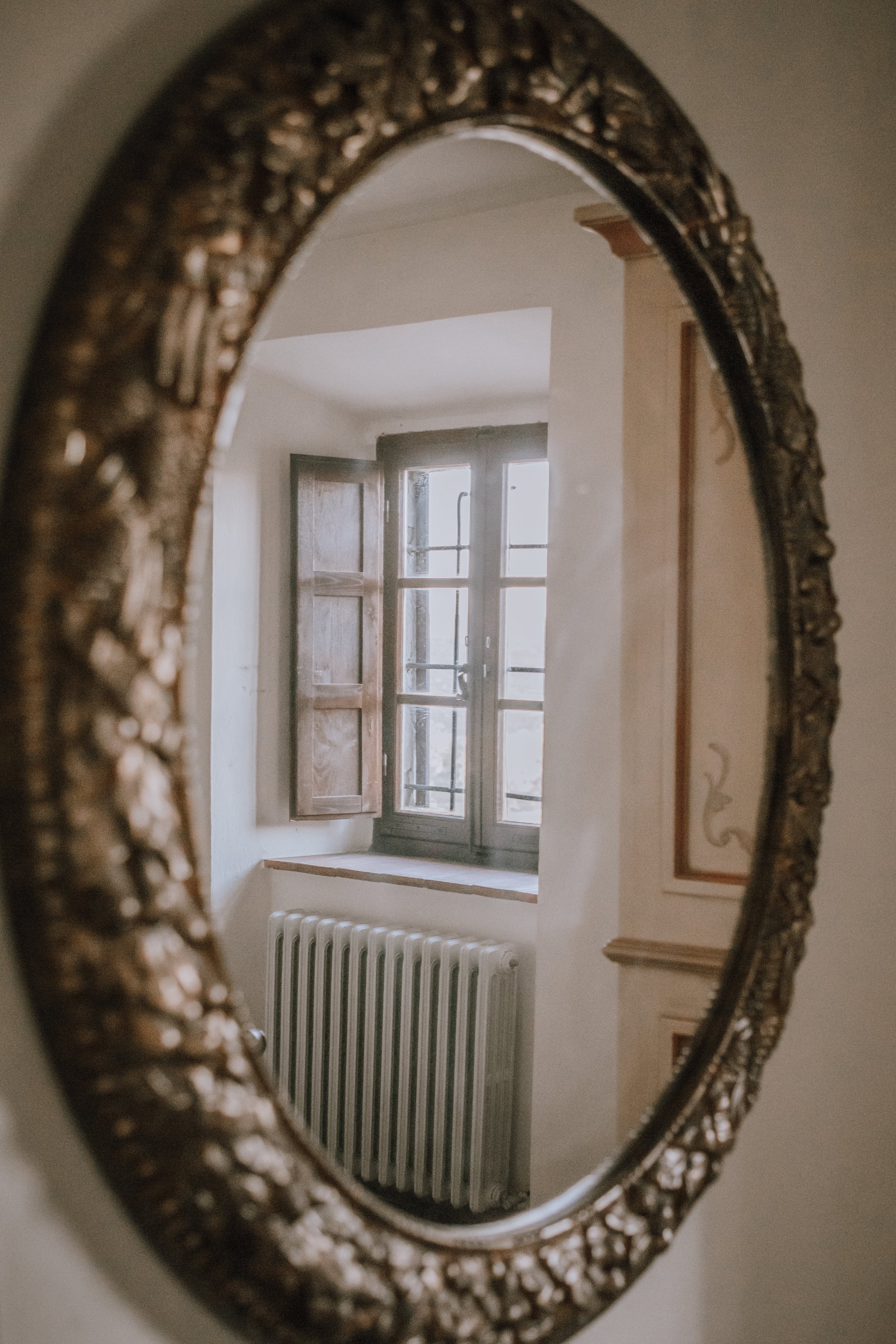
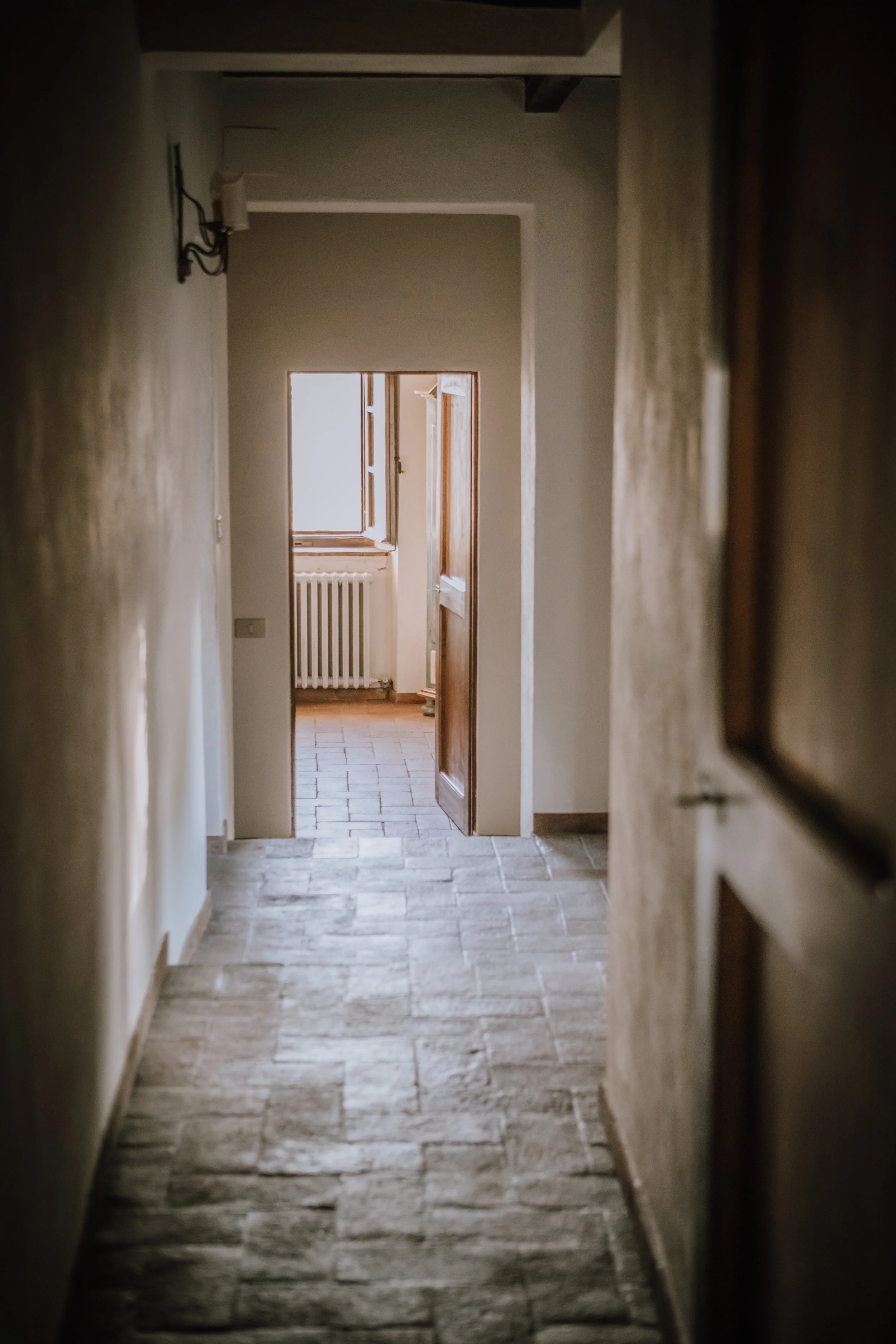
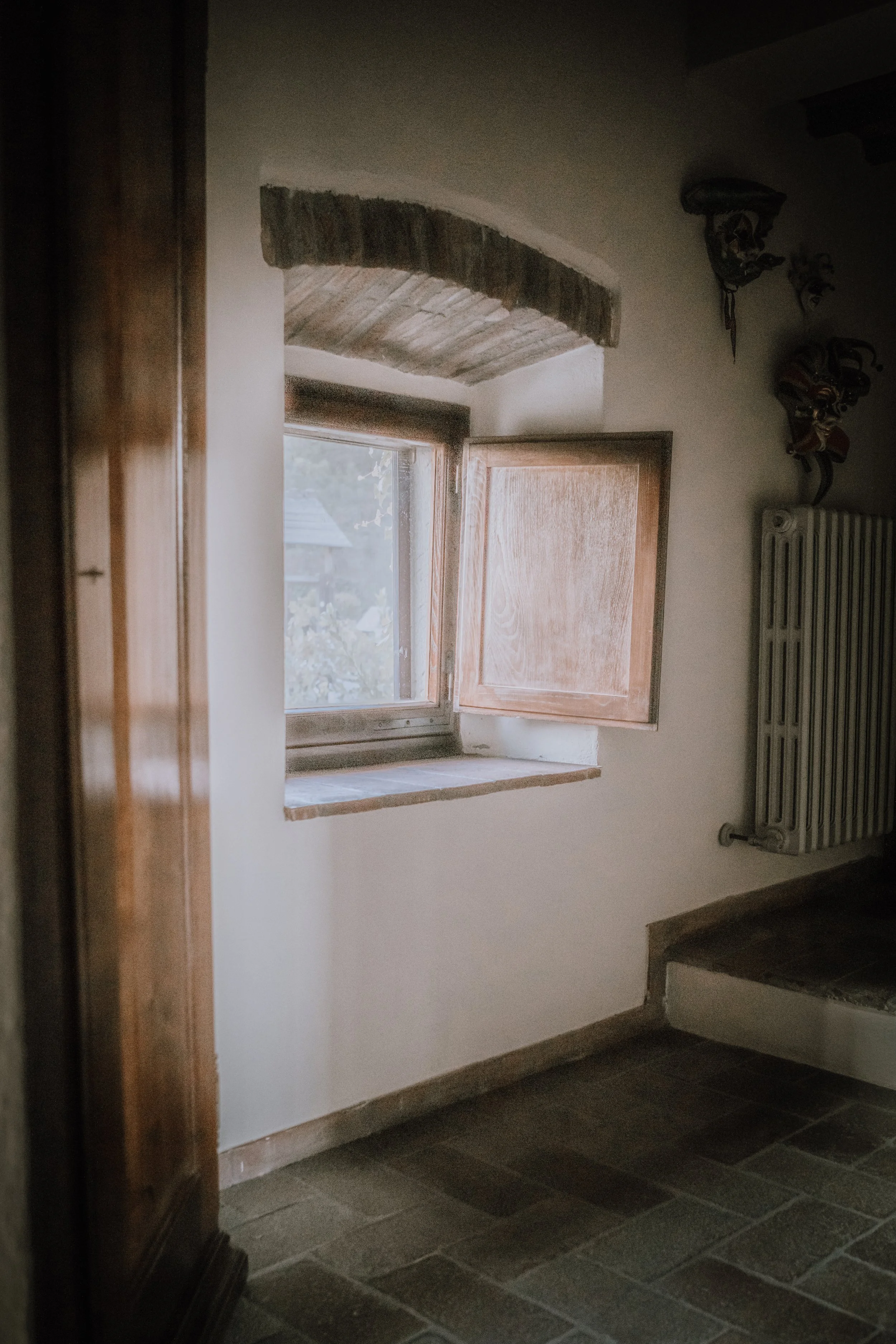
We climbed the worn stone steps and pushed open the heavy wooden door. Inside it was completely dark. By the glow of our phones we moved across the room and opened the first set of shutters.
Then another.
And another.
Light flooded into the house one window at a time.
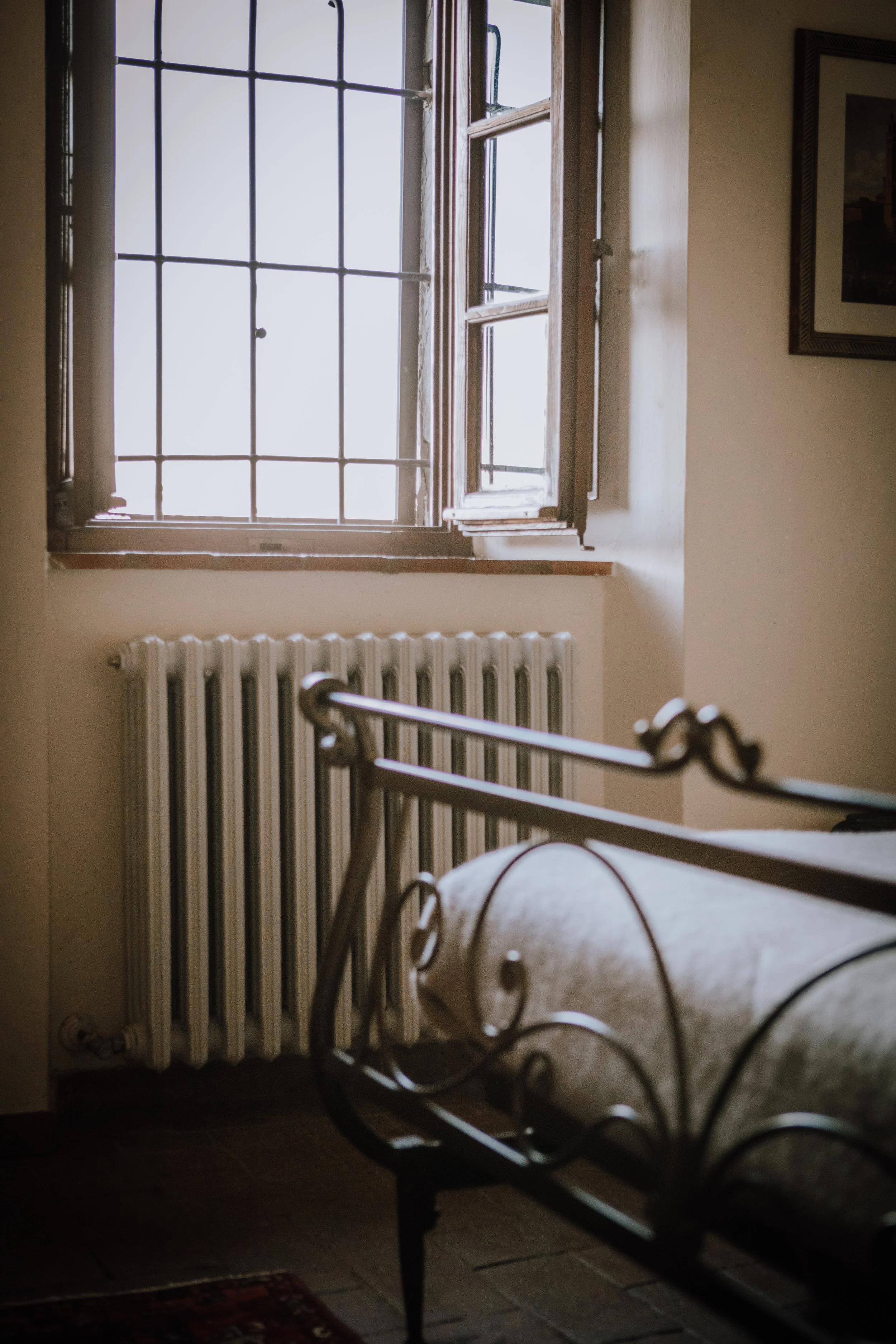
The kitchen still held the original fireplace where meals were once cooked. The floors were cool terracotta tile. The ceilings arched in brick vaults common to Tuscan farmhouses. White plaster walls reflected the sunlight as it slowly filled each room.
Opening those shutters felt like waking the house itself.
Every window revealed a different view: vineyards, olive trees, jasmine climbing the walls, terraces, gardens, and the soft rolling hills of Chianti. Golden stone and silvery olive leaves became the backdrop to years of shared meals and long conversations.
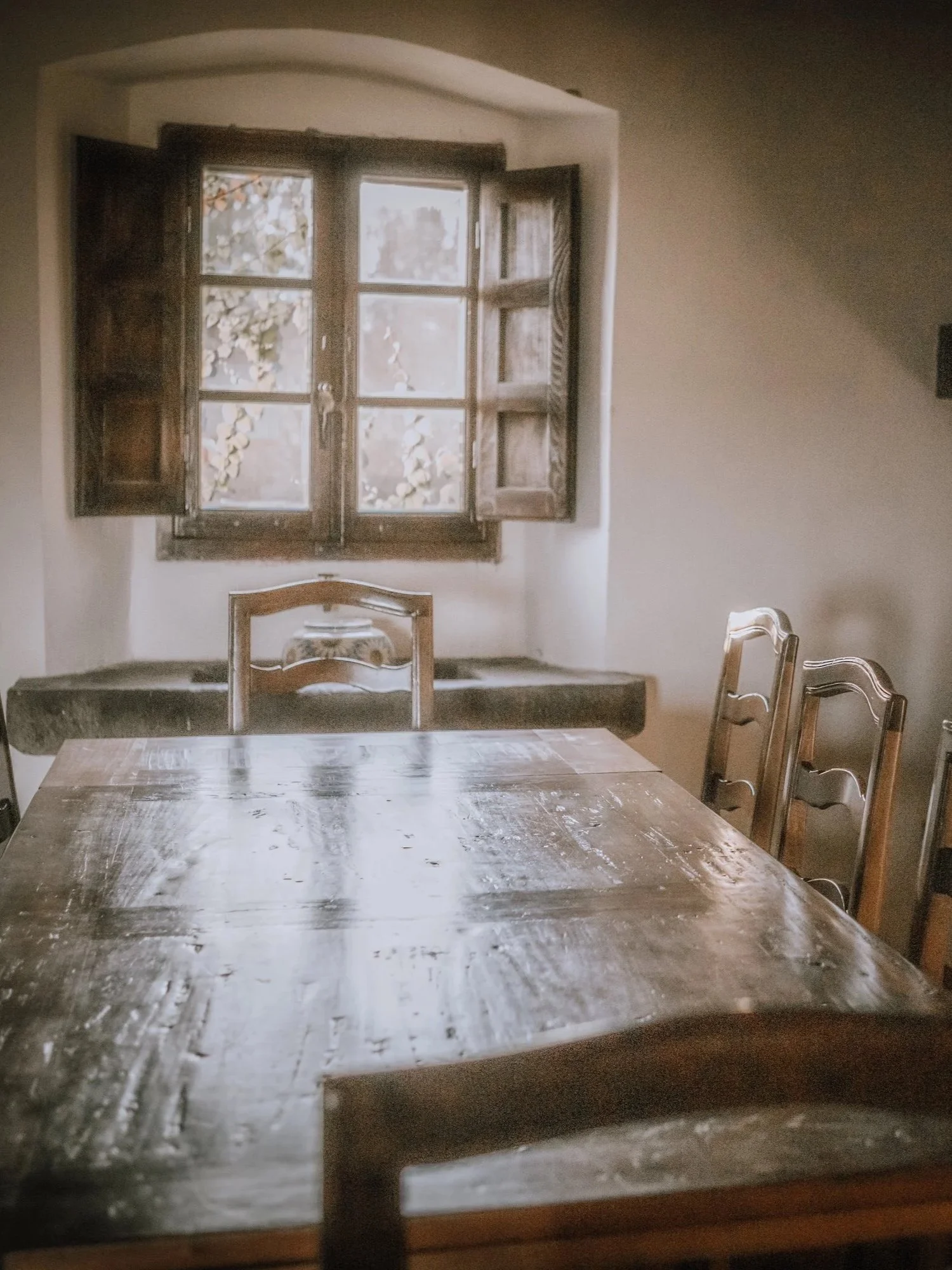
Evenings were spent around a table on the terrace with wine, cheese, and bread. Plans were debated—what hill town to visit the next day, where to find the best pasta, which gelato flavor deserved our attention.
Somewhere along the way I began imagining my own place in Italy.
Whitewashed walls. Polished floors. Dishes and furniture found in village markets. A barista who knows my name and starts making my cappuccino when I walk in. A grocer who saves the sweetest tomatoes because he knows I love them.
A small desk by a window overlooking vineyards where I write and edit photographs that capture the quiet magic of the place.
It has been too long since I’ve allowed myself that dream.
Next month I will return to Italy with my sister, who has never been. We’ll meet our cousin and friends at La Malpensatina for another week of Tuscan living.
For me it will feel like coming home.
For my sister it will be the first time.
We plan to arrive early and prepare a welcoming scene on the terrace—wine, cheeses, and salumi waiting on the table. The voice of Andrea Bocelli drifting through the house.
But what I’m most looking forward to is the moment she first opens the door.
I will stand quietly behind her as she begins opening the shutters, one by one, letting the sunlight pour into each room.
That moment—watching a place reveal itself—never loses its magic.